We've rebranded! Texas Premier Oasis is now Legendary Outdoor Solutions - same team, same standards, elevated identity.

How to Build a Pergola: A Homeowner's Planning Guide
Thinking about building a pergola? This homeowner guide explains the basic planning, layout, structure, and installation steps involved so you can better understand what goes into a well-built backyard pergola.
OUTDOOR LIVING
4/9/20264 min read
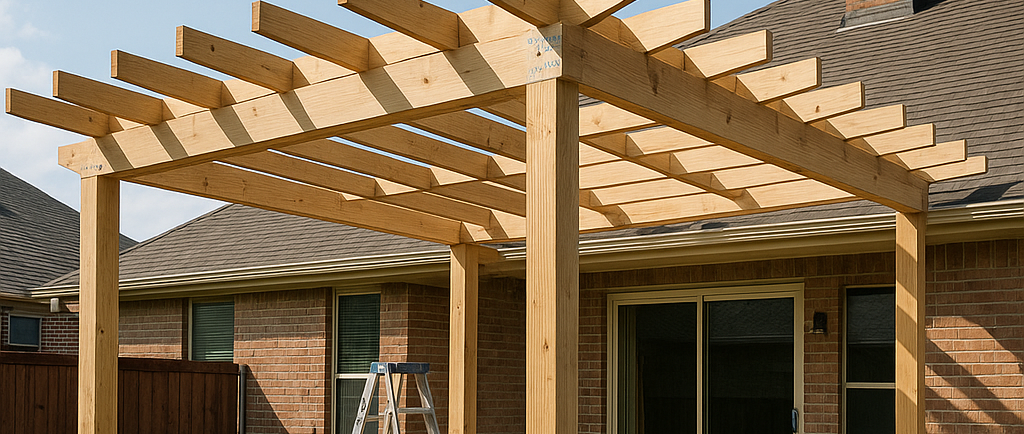
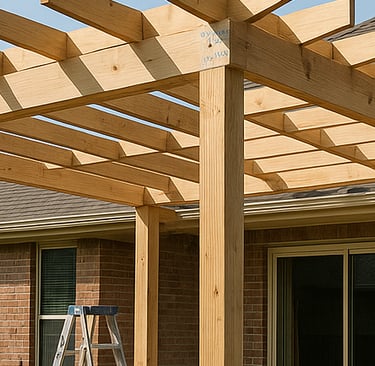
If you're wondering how to build a pergola, the real answer starts with planning, layout, and structural decisions before any posts go into the ground.
A pergola may look simple from a distance, but a good one depends on the right size, proper placement, sound footings, clean framing, and a design that fits the patio and backyard around it. That makes this topic a better fit for a process and homeowner planning guide than a pricing article.
Step 1: Start with the Purpose of the Pergola
The design should match how the space will actually be used.
Before building anything, decide what the pergola is supposed to do. For example, is it meant to create:
a shaded seating area
a visual focal point over a patio
a transition between the house and backyard
a poolside lounge zone
a place for lighting, fans, or outdoor furniture
The intended use affects size, location, and how substantial the final structure needs to be.
Step 2: Choose the Right Location
Placement often matters more than homeowners expect.
A pergola should work with the flow of the yard, not fight it. When choosing the location, homeowners usually need to think about:
sun direction throughout the day
how close the pergola should sit to the house
patio size and shape
nearby doors, windows, and walkways
how the structure will look from the yard and from inside the home
The best pergolas usually feel connected to the overall layout instead of dropped into the space as an afterthought.
Step 3: Plan the Size and Layout
The pergola needs to fit the scale of the patio and the furniture underneath it.
This step usually includes deciding:
overall width and depth
post spacing
height and proportions
how much of the patio should sit under the structure
whether the pergola should stand alone or tie into another feature
If the pergola is too small, it can feel awkward and undersized. If it is too large, it can overwhelm the patio or make the area feel crowded.
Step 4: Build on Proper Footings and Structural Support
This is one of the most important parts of the whole project.
A pergola is only as good as the support beneath it. That usually means planning for:
properly placed posts
appropriate footing depth and placement
solid anchoring
structural framing that can handle the intended load
This is also where many DIY-style pergola ideas become more complicated than they first appear. A pergola may seem decorative, but it still needs to be built like a real outdoor structure.
Step 5: Frame the Posts, Beams, and Rafters Correctly
The finished look comes from both structure and proportion.
Once the support system is in place, the pergola framing usually includes:
vertical posts
main beams
cross members or rafters
decorative or structural top elements depending on the design
A well-built pergola should feel balanced, straight, and visually intentional, not just assembled from a simple kit mentality.
Step 6: Think About Shade, Sun, and Comfort
Pergolas create partial shade, not the same full protection as a solid roof cover.
That matters because homeowners often expect more shade than the structure will actually provide if the slat direction, spacing, and sun angle are not considered in advance.
Before building, it helps to think about:
when the patio gets the harshest sun
whether partial shade is enough
whether the pergola may later need lighting, fabric, or additional shade elements
whether a patio cover might actually be the better fit if stronger protection is the real goal
This step helps make sure the final result matches the homeowner's expectations.
Step 7: Coordinate the Pergola with the Rest of the Backyard
The best pergolas look like part of a full outdoor living design, not an isolated feature.
A pergola often works best when it is designed alongside:
the patio surface
seating layout
landscaping
outdoor kitchen or grill zones
pool areas
lighting and entertainment features
When the pergola is connected to the rest of the project, the backyard usually feels more complete and better planned.
What Makes Pergola Construction More Complicated Than It Looks?
Homeowners often underestimate how much design and structural judgment is involved.
Common issues can include:
poor scale or awkward proportions
post placement that interferes with furniture or traffic flow
inadequate support or anchoring
a structure that does not provide shade where it is actually needed
a pergola that looks disconnected from the patio and home
That is why even when the concept seems straightforward, the build quality depends heavily on planning.
Should You Build a Pergola Yourself or Hire a Professional?
That usually depends on the size, permanence, and expectations for the finished structure.
A homeowner may consider a more DIY route for a very simple project. But for a pergola that is meant to feel substantial, permanent, and well integrated with the patio, professional planning and construction often make more sense.
That is especially true when the pergola is part of a larger outdoor living project rather than a standalone backyard accessory.
Final Answer: How to Build a Pergola
To build a pergola well, start with the purpose of the space, choose the right location, size it correctly, support it properly, and frame it in a way that fits the patio and backyard around it.
In other words, the process is not just about putting posts and beams together. It is about building a structure that looks right, functions well, and feels like a natural part of the outdoor living space.
Need Help Planning or Building a Pergola?
The best pergolas usually begin with a clear layout and a design that fits the rest of the backyard.
Legendary Outdoor Solutions helps homeowners think through outdoor living projects with an emphasis on layout, comfort, and long-term visual value.
Schedule a consultation today if you want help planning a pergola that fits your patio and the way you want to use your backyard.
(214) - 557 - 7809
© 2025. All rights reserved.
Call or Text
Inquire
Office Hours
Monday - Friday 8am-6pm
Saturday 8am-12pm
Transforming your backyard into a stunning oasis. We specialize in custom builds, including patios, pergolas, shops, and pools. As a turnkey solution, we manage every aspect of your project—from initial planning and permit pulling to the completed end product.
With years of experience, we pride ourselves on professionalism and reliability, delivering top-quality grading, excavating, and concrete work—done right the first time.
Your satisfaction is our priority! Get a Free Estimate today to start creating your perfect outdoor space!
Legendary Outdoor Solutions: