We've rebranded! Texas Premier Oasis is now Legendary Outdoor Solutions - same team, same standards, elevated identity.

How to Design a Grotto to Jump Off Of
A jump-ready pool grotto should be designed around safe water entry, structural support, circulation space, and realistic backyard use. This guide explains what to think through before building a grotto people will want to climb, sit under, and jump from.
OUTDOOR LIVING
4/9/20265 min read
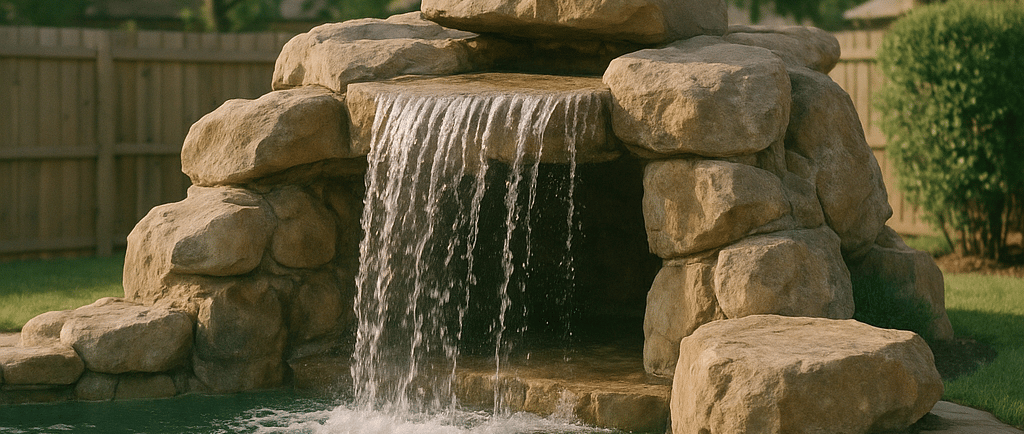
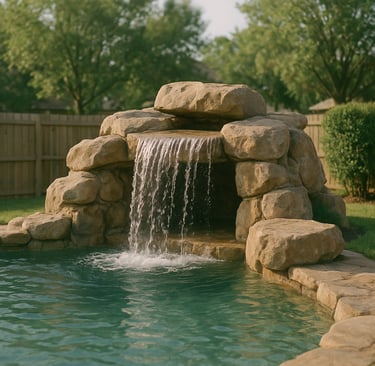
If you want a pool grotto that people can jump from, the best design approach is to treat it as a safety-first structure instead of just a decorative rock feature.
A good grotto should look dramatic, feel fun, and work naturally with the pool. But before the waterfall, stone texture, and cave seating come into the picture, the design needs to answer a much more important question: how will people enter the water safely and consistently from that exact spot?
Start with the water below, not the rock above
The jump point should never be designed before the landing area is understood.
When homeowners picture a grotto, they usually imagine the rockwork first. In practice, the safer sequence is the opposite.
Start by identifying:
where the jump will happen
how far the person will travel forward
how deep and clear the water needs to be in that zone
whether the pool shape naturally supports that type of entry
what other features could interfere with the landing path
That is why this kind of feature should be designed together with the pool layout, not added casually at the end.
Step 1: decide what kind of grotto you actually want
Not every grotto should double as a jump feature.
Some grottos are mainly for shade and atmosphere. Others are built around a waterfall and hidden seating area. A jump-ready grotto needs a more deliberate layout than either of those.
The three most common directions are:
seating grotto: best when the goal is shade, privacy, and visual drama
waterfall grotto: best when the sound and look of moving water matter most
jump-ready grotto: best when the homeowner wants an active feature with a dedicated takeoff point and a clearly protected water-entry zone
If jumping is part of the vision, that choice should shape the pool design from the beginning.
Step 2: keep the jump zone clean and predictable
People should know exactly where to jump and exactly where they will land.
A grotto becomes riskier when the takeoff area is vague, the landing zone overlaps with benches or walls, or the water below changes depth too quickly.
A better design usually includes:
one obvious jump point instead of multiple random edges
a clean entry path into open water
separation between the jump area and swim-through cave access
enough visual clarity that guests can understand the feature at a glance
The goal is not to make the grotto look empty. The goal is to make the active part of the feature easy to read.
Step 3: separate the waterfall experience from the landing path
The prettiest water effect is not always in the best place for jumping.
Homeowners often love the idea of a waterfall pouring right beside the jump point. That can look impressive, but it can also make the feature feel visually busy and functionally crowded.
In many designs, the best solution is to let the grotto do more than one job without stacking everything in one exact place. For example:
the waterfall can spill from one side
the shaded sitting or cave space can live underneath
the jump ledge can sit on the stronger, more open side of the structure
That kind of separation often makes the whole feature feel more intentional.
Step 4: design the top of the grotto like a real use surface
If people will climb it, stand on it, and jump from it, the top cannot behave like loose decorative rock.
The upper surface needs to feel stable underfoot, visually obvious, and comfortable enough that users are not improvising their footing. A jump-ready grotto usually works better when the access path and takeoff zone feel designed on purpose rather than carved out as an afterthought.
That may include:
stable access steps or a clear climbing route
enough standing room at the jump point
a flatter, more dependable launch area
edges that feel intentional rather than jagged and confusing
sightlines that let someone see the water clearly before entering
This is one of the biggest differences between a decorative faux-rock feature and one that is truly built for active use.
Step 5: build the structure for long-term strength, not just appearance
Jump-ready grottos need real structural thinking behind the finished surface.
A homeowner may only see stone texture, waterfalls, and shadows. What matters underneath is how the feature is supported, reinforced, and tied into the overall pool environment.
Depending on the design, a grotto may involve:
reinforced concrete or engineered structural support
shaped rock shells or panel systems
interior framing and load planning
water management for waterfall plumbing
integration with the surrounding deck and pool shell
That is why this kind of project usually belongs in the hands of experienced pool and water-feature builders, not improvised yard construction.
Step 6: make the grotto enjoyable even when nobody is jumping
The best grottos are still great backyard features when the pool is quiet.
A jump feature should not dominate the design so much that the grotto becomes awkward the rest of the time. The most successful projects usually combine active use with atmosphere.
A well-balanced grotto can also provide:
shade from the Texas sun
a private sitting zone under the falls
a focal point that improves the whole backyard design
visual separation between different pool areas
a resort feel that makes the space memorable even from the patio
That is often what turns the feature from a novelty into a real favorite part of the yard.
What to avoid when designing a jump grotto
Most design mistakes happen when homeowners focus on appearance before use.
Common problems include:
placing the jump point over a cramped or unclear landing area
combining benches, cave entries, and jump landings too tightly
making the top look climbable without providing a safe route
building rockwork that looks dramatic but feels unstable to stand on
copying a photo from the internet without matching the structure to the actual pool
treating a grotto like a simple add-on instead of a feature that changes how the pool must be designed
A beautiful grotto can still be a poor design if the active-use side was never thought through.
In Forney, plan for the paperwork early
Custom pool features usually go more smoothly when design, contractor coordination, and permit review are handled upfront.
For homeowners in Forney, it helps to plan early for:
permit application workflow
plan review documents
inspections
contractor registration requirements
coordination between pool construction and custom feature installation
That kind of preparation tends to save time later, especially on more custom projects.
Final answer: how do you design a grotto to jump off of?
Start by designing the water-entry zone, pool shape, and structural support, then build the grotto around that foundation. The jump point should be obvious, the landing area should be clear, the top surface should feel stable, and the overall feature should still work as a comfortable shaded grotto when nobody is using it actively.
When it is done well, a jump-ready grotto feels exciting without feeling chaotic. It looks dramatic, but it also feels thought through from the moment someone climbs up to the moment they enter the water.
Want help planning a custom pool grotto?
The right grotto has to fit the pool, the yard, and the way your family will actually use it.
Legendary Outdoor Solutions helps homeowners think through outdoor features that combine visual impact with practical long-term use.
Schedule a consultation today if you want to talk through a custom grotto design that feels fun, polished, and well planned.
(214) - 557 - 7809
© 2025. All rights reserved.
Call or Text
Inquire
Office Hours
Monday - Friday 8am-6pm
Saturday 8am-12pm
Transforming your backyard into a stunning oasis. We specialize in custom builds, including patios, pergolas, shops, and pools. As a turnkey solution, we manage every aspect of your project—from initial planning and permit pulling to the completed end product.
With years of experience, we pride ourselves on professionalism and reliability, delivering top-quality grading, excavating, and concrete work—done right the first time.
Your satisfaction is our priority! Get a Free Estimate today to start creating your perfect outdoor space!
Legendary Outdoor Solutions: